
Tooth Extraction in Billings, MT
A Compassionate Approach to Tooth Extractions
Finding out you need a tooth pulled can bring up a mix of worry and relief: worry about the procedure itself, and relief that the pain you've been living with finally has a solution. At Thomas Smile Designs in Billings, MT, Dr. Thomas and the team understand how much a healthy, pain-free smile affects daily life, and every extraction is handled with a calm, patient approach designed to keep you comfortable from the first appointment through full recovery.
Find out when an extraction becomes necessary, what to expect during the procedure, and how to heal quickly and comfortably afterward. If a nagging tooth has been holding you back, call Thomas Smile Designs today at (406) 298-4485 to schedule your visit and get back to feeling like yourself.

Meet Dr. Thomas
Dr. Joseph Thomas is a Billings dentist who has been passionately advancing his expertise since earning his DDS in 1982. A self-described "education junkie," he has completed thousands of hours of advanced training and rigorous examinations, earning him recognition as one of fewer than 20% of dentists accredited by both the American Academy of Cosmetic Dentistry (AACD) and the Academy of General Dentistry (AGD). A Montana native who grew up in Butte and attended Gonzaga University and the University of Washington, Dr. Thomas has served patients in private practice for over four decades. When he's not in the office, he enjoys fishing and hunting in Montana's wilderness and spending time with his family.
When Is An Extraction Needed?
Dentists don't remove teeth for sport. Every dentist, including Dr. Thomas, would rather save a natural tooth with alternatives like root canal therapy. Nothing replaces the function and feel of the tooth you were born with. That said, there are situations where removal is genuinely the healthiest path forward, and recognizing those signs early can save you pain and money down the road.
If you are dealing with any of these situations, the team at Thomas Smile Designs will walk through your X-rays with you and explain exactly why extraction is being recommended, along with what your replacement options look like afterward, whether that's an implant, a bridge, or in some cases nothing at all if the tooth isn't load-bearing.
Simple Extraction vs Surgical Extraction
Not all extractions are performed the same way, and knowing which category yours falls into helps set realistic expectations for the appointment and the recovery that follows.
Simple Extraction
A simple extraction is used when the tooth is fully visible above the gumline and has a healthy, accessible root structure. Dr. Thomas numbs the area with a local anesthetic, then uses an instrument called an elevator to loosen the tooth from the ligament holding it in the socket. Forceps are then used to gently rock the tooth free.
Most simple extractions take just a few minutes per tooth. Patients are awake and comfortable throughout, chatting with the hygienist between steps, and many describe feeling pressure but not sharp pain. This is the type of extraction used for most decayed teeth, loose teeth from gum disease, and teeth being removed for orthodontic spacing.
Surgical Extractions
A surgical extraction is needed when the tooth is not easily accessible, whether because it has broken off at the gumline, is impacted below the surface, or has roots that curve in a way that makes a straight pull impossible. This category covers most wisdom tooth removals and any tooth that has fractured well below the gum.
During a surgical extraction, a small incision is made in the gum tissue to access the tooth. Sometimes the tooth is sectioned into smaller pieces to remove it with less disruption to surrounding bone. A few dissolvable or removable stitches may be placed afterward to help the site heal cleanly. Depending on the complexity, Dr. Thomas may use local anesthesia alone or combine it with a mild sedation option for patients who feel anxious or who are having multiple teeth removed in one visit.
Both types of extractions are performed with the same attention to comfort and precision, and the team at Thomas Smile Designs takes time before the procedure to confirm which category applies to your specific tooth, so there are no surprises once you're in the chair. Patients traveling from outside Billings, MT, for a wisdom tooth consult often appreciate that Dr. Thomas reviews imaging and answers questions before ever picking up an instrument.
Extraction Aftercare
What you do in the first 24 to 72 hours after an extraction has more impact on your recovery than almost anything else. The good news is that aftercare just requires a bit of discipline.
Most patients in Billings, MT, are back to normal daily activities within a couple of days after a simple extraction, and closer to a week for a surgical one. Dr. Thomas provides written aftercare instructions specific to your procedure, so you leave the office with a clear plan rather than trying to remember verbal instructions once the numbness wears off.
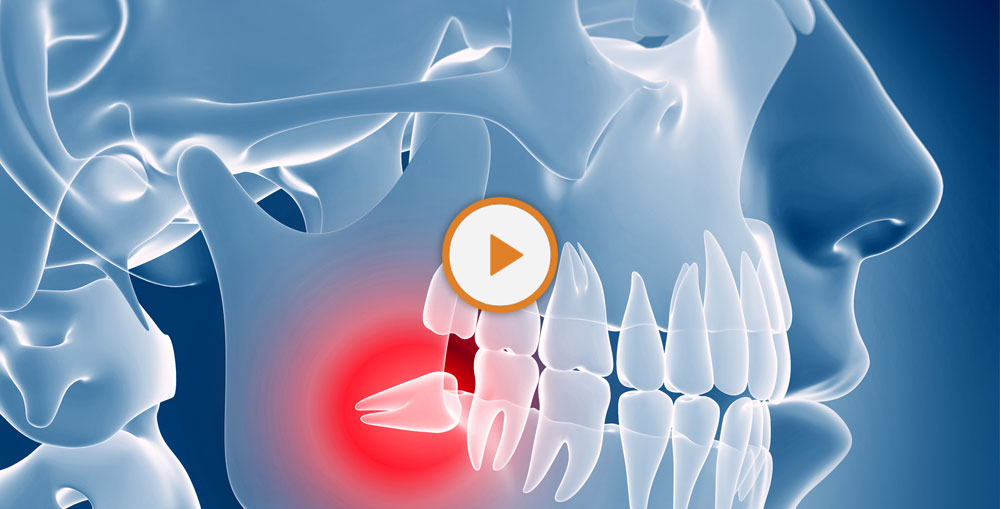
How the wisdom teeth extraction process works
Frequently Asked Questions
Billings, MT Patients: Relief From Tooth Pain Starts Here
Tooth pain has a way of creeping into every part of your day, making it hard to eat, sleep, or even smile with confidence. You don't have to carry that discomfort any longer. Dr. Thomas and the caring team at Thomas Smile Designs are here to help patients throughout Billings, MT, and neighboring communities like Laurel, Huntley, and Shepherd find real relief and get back to feeling like themselves again.
Whether you're dealing with a nagging ache, a cracked tooth, or a wisdom tooth that's finally made its presence known, help is just a phone call away. Reach out to Thomas Smile Designs today at (406) 298-4485 and let a gentle, experienced team guide you toward comfort, healing, and a smile you feel good about again.

Address
1501 14th St W Ste 215,
Billings, MT 59102
New Patient (406) 298-4485
Current Patient (406) 256-5165
© 2022 Managed by Now Media Group