Frequently Asked Questions
What are the advantages of implant-supported dentures?
The advantages of implant-supported dentures include improved stability, enhanced comfort, and better chewing efficiency compared to traditional dentures. They also prevent bone loss and provide a more natural appearance, allowing patients to smile confidently.
How does the procedure for obtaining implant-supported dentures work?
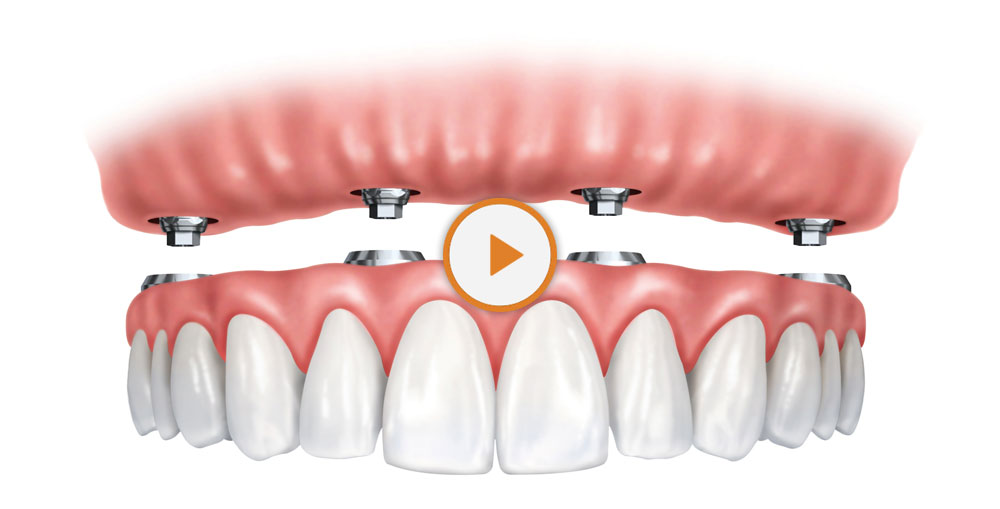
The procedure for obtaining implant-supported dentures involves several steps: first, dental implants are surgically placed into the jawbone. After healing, custom dentures are attached to the implants, providing a secure and natural-looking solution for missing teeth.
What should I expect during my consultation for dental implants?
During your consultation for dental implants, you can expect a comprehensive evaluation, including a discussion of your medical history, a thorough examination of your oral health, and an explanation of the implant process tailored to your needs.
What benefits do implant-supported dentures offer?
The benefits of implant-supported dentures include enhanced stability and comfort, improved chewing efficiency, and a more natural appearance compared to traditional dentures. They also promote jawbone health by preventing bone loss, providing a long-lasting solution for missing teeth.
How long does the implant procedure take?
The duration of the implant procedure varies, but typically, it takes about 1 to 2 hours for the initial placement of the implants. Additional time may be required for healing and the fitting of the final dentures.
Are implant-supported dentures suitable for everyone?
Implant-supported dentures are not suitable for everyone. Factors such as jawbone density, overall health, and personal preferences play a crucial role in determining candidacy for this dental solution. A consultation with a dental professional is essential to assess individual suitability.
What is the recovery time after dental implants?
The recovery time after dental implants typically ranges from a few days to several months, depending on individual healing and the complexity of the procedure. Most patients can return to normal activities within a week, but complete integration may take longer.
How do implant-supported dentures compare to traditional dentures?
Implant-supported dentures offer greater stability and comfort compared to traditional dentures. They are anchored by dental implants, reducing movement and improving chewing efficiency, while traditional dentures may slip and require adhesives.
What materials are used for dental implants?
The materials used for dental implants primarily include titanium, which is biocompatible and promotes osseointegration, and sometimes zirconia, known for its aesthetic qualities. These materials ensure durability and a natural appearance for implant-supported dentures.
How do I care for implant-supported dentures?
Caring for implant-supported dentures involves maintaining good oral hygiene. Brush your dentures daily with a soft-bristle toothbrush, clean around the implants, and use an antibacterial mouthwash to prevent infection. Regular dental check-ups are also essential.
What are the risks of dental implant surgery?
The risks of dental implant surgery include infection, nerve damage, sinus issues, and implant failure. However, these risks can be minimized with proper planning and care from an experienced dental professional.
Can I eat normally with implant-supported dentures?
Eating normally with implant-supported dentures is certainly possible. These dentures provide stability and support, allowing you to enjoy a wide variety of foods without the discomfort often associated with traditional dentures.
How do I know if I need implants?
Knowing if you need implants depends on your dental health and specific needs. If you have missing teeth, experience discomfort with traditional dentures, or seek a permanent solution, consulting with a dental professional can help determine if implants are right for you.
What is the cost of implant-supported dentures?
The cost of implant-supported dentures varies based on factors such as the number of implants needed and individual treatment plans. On average, patients can expect to invest between $3,000 to $30,000 for this solution.
How many appointments are needed for dental implants?
The number of appointments needed for dental implants typically ranges from three to five. This includes consultations, the surgical procedure, and follow-up visits to ensure proper healing and placement.
What happens during the dental implant consultation?
The dental implant consultation involves a thorough examination of your oral health, including X-rays and a discussion about your medical history, treatment options, and goals. This ensures a personalized plan for your implant-supported dentures.
Are there financing options for dental implants?
Financing options for dental implants are available to help make treatment more affordable. At Thomas Smile Designs, we offer various payment plans and financing solutions to accommodate your budget and ensure you receive the care you need.
How do I choose a dental implant provider?
Choosing a dental implant provider involves considering their experience, qualifications, and patient reviews. Look for a specialist who offers comprehensive consultations and personalized care to ensure you receive the best treatment for your needs.
What is the success rate of dental implants?
The success rate of dental implants is typically between 90% to 95%, depending on factors such as the patient's oral health and adherence to post-operative care. This high success rate makes them a reliable option for tooth replacement.
Can implants be placed in one day?
Implants can be placed in one day, a procedure often referred to as "same-day implants." This allows patients to receive their dental implants and temporary restorations in a single visit, enhancing convenience and reducing the wait time for a complete smile.
What are the signs of implant failure?
The signs of implant failure include persistent pain, swelling around the implant site, looseness of the implant, and signs of infection such as fever or pus. If you notice these symptoms, consult your dentist promptly.
How do I maintain my dental implants?
Maintaining your dental implants involves regular brushing and flossing, just like natural teeth, alongside routine dental check-ups to ensure their longevity and health.
What imaging is required before dental implants?
Imaging required before dental implants includes X-rays and 3D cone beam computed tomography (CBCT) scans. These images help assess bone density and structure, ensuring proper placement of the implants for optimal results.
Can I get implants if I have gum disease?
Having gum disease can complicate the process of getting dental implants. It's essential to treat and manage the gum disease first to ensure a successful implant placement and long-term oral health.
What is the difference between implants and bridges?
The difference between implants and bridges lies in their structure and function. Implants are surgically placed into the jawbone, providing a stable foundation for replacement teeth, while bridges rely on adjacent teeth for support and do not address bone health.
How do I prepare for my implant surgery?
Preparing for your implant surgery involves several important steps. Ensure you follow your dentist's instructions, avoid eating or drinking after midnight before the procedure, and arrange for someone to drive you home post-surgery.
What should I expect after dental implant placement?
After dental implant placement, you can expect some swelling and discomfort, which is normal and manageable with prescribed medications. Healing takes a few months, during which you may need to follow specific care instructions for optimal recovery.
Are there age restrictions for dental implants?
There are no specific age restrictions for dental implants; however, candidates should have fully developed jawbones and overall good health. This typically means that most adults can qualify, but children and teenagers may need to wait until their jaw growth is complete.
How do I manage pain after the procedure?
Managing pain after the procedure involves following your dentist's post-operative care instructions, using prescribed pain medication, applying ice packs to reduce swelling, and resting to promote healing.
What follow-up care is needed after implants?
Follow-up care after implants includes maintaining good oral hygiene, attending regular dental check-ups, and monitoring the implant site for any signs of discomfort or infection. Following your dentist's specific aftercare instructions is crucial for optimal healing.